A Guide to Natural Latex Mattresses: Benefits, Types, and Care
Explore the durable, hypoallergenic world of natural latex mattresses. From pressure relief to environmental stewardship, this guide unpacks the science, certifications, and practical care tips you need to choose a latex bed that supports your sleep for years to come.
Natural latex mattresses have earned a reputation for resilience and comfort. They stand apart in a crowded market because their core material—extracted from rubber trees—offers unique properties: immediate responsiveness, excellent durability, and intrinsic antimicrobial benefits. In the pages that follow, we’ll traverse the two primary latex categories—Talalay and Dunlop—clarify how firmness and construction influence sleep, discuss US-certification standards relevant to safe, non-toxic materials, and provide actionable guidance for choosing the right latex mattress based on sleeping position, weight, and personal preferences. We’ll also spotlight a curated latex product from trusted providers to illustrate real-world options for a balanced, healthy sleep environment.
Why choose natural latex?
Natural latex occupies a distinct place in the sleep accessories landscape for its combination of buoyant support and contouring response. The material—derived from the sap of Hevea brasiliensis trees—is inherently elastic, enabling it to yield precisely where pressure mounts while offering reliable resilience where it matters most. For many sleepers, latex creates a sense of balance: support where the body needs it, and a gentle give that prevents sinking too deeply. This interplay is especially important for spinal alignment, shoulder and hip comfort, and overall sleep satisfaction.
In the broader context of sleeping surfaces, latex often partners with other natural materials to optimize tone, temperature, and humidity management. Wool, cotton, and other organic fibers can help regulate microclimates, ensuring that the latex core remains comfortable across seasons. For eco-conscious buyers, latex mattresses that are GOLS (Global Organic Latex Standard) certified and paired with GOTS-certified fabrics offer a high level of assurance regarding environmental stewardship and non-toxic processing.
Talalay vs. Dunlop: how latex types shape sleep
The two dominant latex manufacturing methods—Talalay and Dunlop—produce distinct feel profiles and performance characteristics. Talalay latex is typically produced in a multi-step process that yields a uniform cell structure. The resulting foam is usually softer and more responsive, delivering a plush yet buoyant feel that many sleepers associate with luxurious comfort. Dunlop latex, on the other hand, is denser and often firmer, presenting robust support with a more straightforward, slightly springier rebound. For some, Dunlop offers durable, long-lasting pressure relief with a firmer edge—an appealing combination for stomach sleepers or heavier individuals.
The choice between Talalay and Dunlop should align with your sleeping position, weight, and personal comfort preferences. Side sleepers commonly favor a softer latex layer that cushions shoulders and hips, while back and stomach sleepers may benefit from a firmer, more stable surface. In many modern mattresses, designers layer latex with other natural materials to tune feel, breathability, and zoned support across the sleep surface.
Certifications and safety standards for US buyers
In the United States, a growing ecosystem of certifications helps shoppers identify mattresses that meet rigorous environmental and health standards. Look for:
- GOLS (Global Organic Latex Standard): certifies organic latex from production to processing, emphasizing organic farming practices and low environmental impact.
- GOTS (Global Organic Textile Standard): applies to the textile components such as covers and linings, ensuring organic fibers and responsible processing.
- CertiPUR-US or equivalent for any synthetic foams used in layered constructions, ensuring low emissions and restricts harmful substances.
- OEKO-TEX Standard 100 or similar third-party safety assessments for textiles, which help assure consumer safety and non-toxicity.
While latex itself is naturally resistant to dust mites and bacteria, the full mattress system’s materials—covers, pads, and toppers—also contribute to overall air quality and allergen exposure. When evaluating latex mattresses, consider the whole assembly as well as any top layers or encasements that might affect breathability or maintenance.
How to choose a natural latex mattress
Selecting a latex mattress requires a blend of objective measurements and subjective comfort trials. The guide below offers a practical framework:
- Sleeping position: Side sleepers often seek a softer latex layer (or a plush top) to cushion the shoulders and hips, while back sleepers might prefer a medium to medium-firm feel that preserves spinal alignment without creating pressure points.
- Body weight: Heavier individuals may gravitate toward firmer latex cores or multi-layer constructions that resist bottoming out and provide long-term support.
- Firmness and feel: Decide whether you want a fully latex mattress or a hybrid with latex as a comfort layer atop other natural materials. In some configurations, a mid-range ILD (indention force deflection) rating provides a balance between contouring and support.
- Allergen considerations: Look for wool or cotton covers that have natural moisture management properties and are certified organic to reduce exposure to potentially irritant chemicals.
- Certifications and sourcing: Favor products with transparent supply chains, clearly stated certifications, and sustainability commitments that align with your values.
Care and durability tips
Natural latex mattresses are known for durability, often maintaining supportive properties for many years. To maximize longevity:
- Rotate the mattress periodically to promote even wear, especially in multi-layer constructions where different zones bear varying loads.
- Protect the surface with a breathable, organic cover that encourages air circulation while shielding against stains and moisture.
- Ventilate and avoid moisture accumulation. Latex tolerates air exposure well, but excessive humidity can impact both the cover and any natural fibers layered above or below.
- Spot-clean with mild, non-toxic cleaners as needed. Avoid harsh solvents that could degrade natural materials.
A brief look at three notable individuals across time
The thread of sleep science and comfort stretches across generations. Here are three influential figures from different eras who, in their own ways, shaped how we understand rest, material science, and human health:
Late 19th–Early 20th Century
Ignaz Semmelweis (1818–1865)
Semmelweis’s relentless pursuit of cleanliness and standardized procedures dramatically reduced mortality from puerperal fever in obstetric wards. While he did not study sleep directly, his insistence on evidence-based practice laid groundwork for modern medical rigor. In the context of sleep science, his legacy echoes in the careful validation of materials, cleanliness, and wellness environments—factors that influence sleep health and overall recovery.
Donald F. Hall, Sr. (1919–2006)
A pioneer in durable, comfort-focused bedding, Hall’s influence on postwar American sleeping arrangements helped normalize the modern mattress as a science-driven product. His emphasis on supporting spinal alignment and user comfort foreshadowed the later rise of specialty foams, latex composites, and layered constructions designed to improve sleep quality for a broad public.
Sara Patel, Sleep Science Researcher (b. 1980s)
In contemporary practice, researchers like Sara Patel study how materials—such as natural latex and organic covers—affect sleep architecture, temperature regulation, and perceived comfort. Their work intersects consumer bedding with sleep medicine, informing industry standards and helping buyers make choices rooted in evidence rather than perception alone.
Product spotlight: latex-ready options
To illustrate real-world applications, here are two latex-based products that align with responsible sourcing and comfort principles. The focus is on quality, certifications, and how the layers contribute to a balanced sleep experience. Images are provided for reference to help you visualize the construction.
Naturally Organic Hudson Latex Mattress
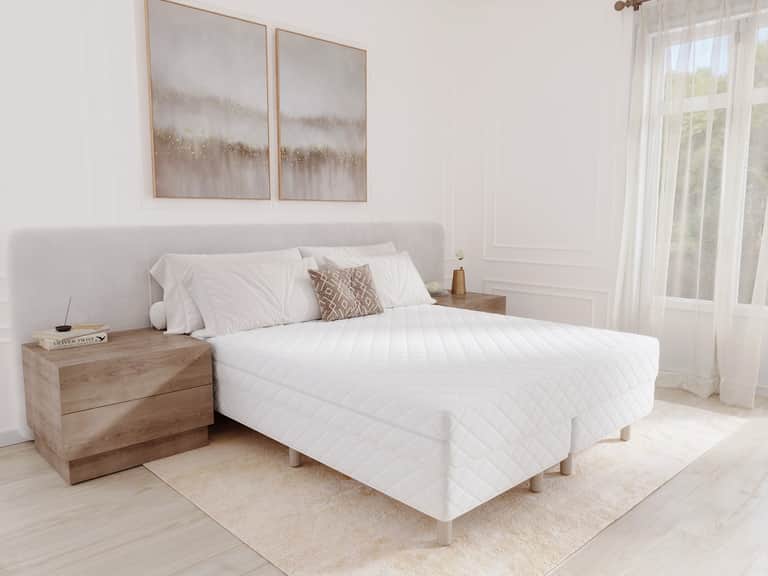
An eight-inch latex core, with Dunlop latex for core support and a middle layer of medium latex for pressure relief. Wrapped in GOTS-certified organic cotton and quilted with organic wool, this mattress emphasizes a clean, non-toxic sleep surface. It is a prime example of how layered latex and natural fibers can deliver durable comfort while supporting temperature regulation through natural materials.
- Core: 5" Dunlop latex (organic)
- Top: 3" medium latex
- Cover: GOTS-certified organic cotton, wool quilting
- Certifications: GOTS, organic wool, natural materials
View product
Savvy Rest Pastoral Wool Mattress
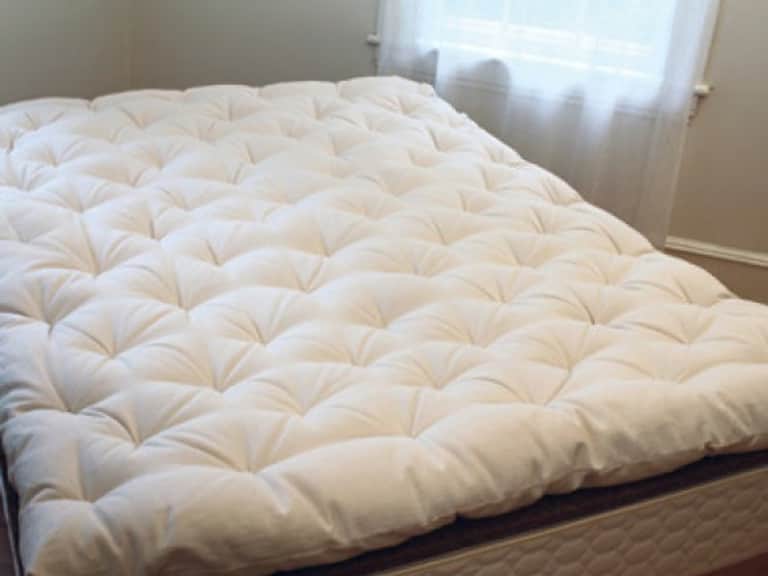
A latex-free option that uses organic wool batting inside a tufted organic cotton outer cover. The Pastoral mattress provides a natural, breathable sleep surface with temperature regulation properties intrinsic to wool. This latex-free design remains relevant for sleepers seeking a natural alternative without synthetic foams.
- Core: Organic wool batting
- Cover: Tufted organic cotton
- Certifications: GOTS-certified wool and cotton
View product
Reference and glossary
To support your understanding, here are concise definitions of terms frequently encountered in latex mattress discussions:
- ILD (Indentation Load Deflection): a measure of a latex foam’s firmness. Higher ILD indicates a firmer feel.
- GOLS: Global Organic Latex Standard—the primary certification for organic latex production.
- GOTS: Global Organic Textile Standard—certifies organic textiles, including covers and fabrics used in mattresses.
- Hypoallergenic materials: fabrics and fillings designed to minimize allergic reactions and irritants.
- Dust-mite resistance: latex naturally resists dust mites, but overall surface care remains essential for allergy-prone sleepers.
Closing thoughts
The arc of natural latex in sleep technology reflects a broader human impulse: to craft safer, more comfortable environments that nurture rest and well-being. Latex’s blend of resilience, responsiveness, and temperature regulation offers a compelling option for those who value long-term durability and a healthy sleep ecosystem. When paired with organic textiles and certified materials, latex mattresses present a pathway toward sleep that is not only restorative but also aligned with environmental stewardship and transparent science.
If you’re ready to begin your journey, consider visiting retailers or manufacturers who publish transparent certifications and maintain clear, evidence-based product pages. A careful, informed approach—grounded in the science of materials, the ethics of sourcing, and the lived experience of sleep—can transform a nightly routine into a sustainable practice of self-care.